
3,500 → 6,000+
Orders Per Day
1+ Minute Processing Time Saved Per Order
60% Reduction
In Non-Peak Pack Staff
2X
Fulfillment Capacity

The Challenge: Scale Fulfillment Without Losing the Unboxing Experience
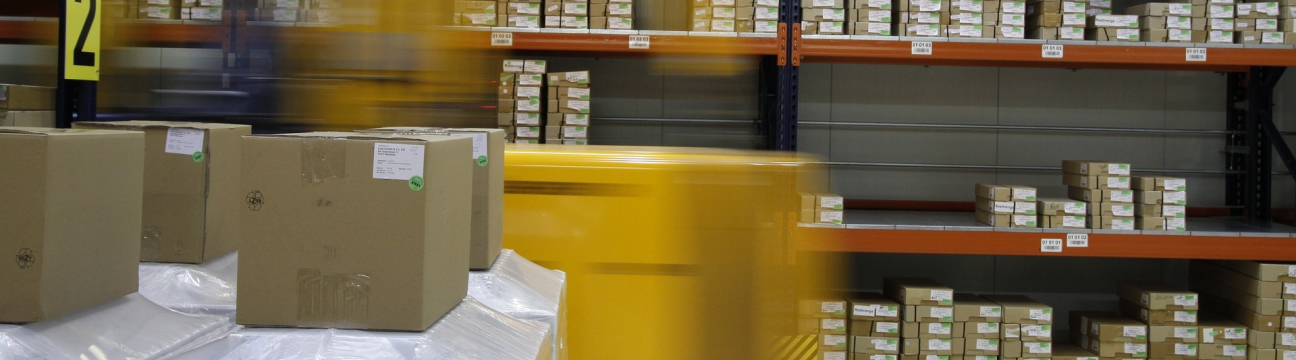
A national home décor company had grown rapidly over two years and was now shipping an average of 3,500 orders per day. But its fulfillment process had remained entirely manual.
That was intentional. The way each product was presented inside the shipping box was an important part of the brand experience. Pack station operators needed to pack the unwrapped product into the box, then, based on the order profile, insert the relevant marketing material before closing and sealing the box.
The operator would then measure, weigh, and create the shipping label, which was applied to the outside of the box. This process was costly, as it required at least 15 packers for an 8-hour shift just to meet demand.
Peak Demand Was Creating a Bigger Backlog
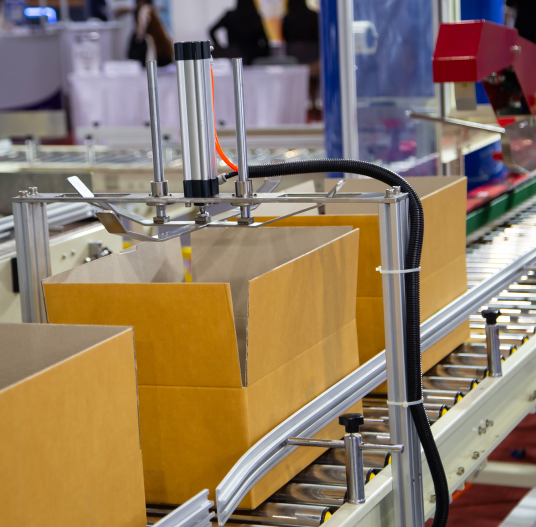
Online promotions made the capacity problem more difficult. During demand spikes, the order backlog could take two or three days to clear. As packers rushed to keep up, errors in packaging and shipping labels increased.
The company responded by adding temporary pack stations and labor during peak periods, but that came with another cost: valuable warehouse space was being used for capacity that was only needed during demand spikes.
Meanwhile, longer delivery times were driving more customer complaints, while customer satisfaction was trending downward.

The Recommendation: Automate the Repetitive Work, Keep the Human Touch
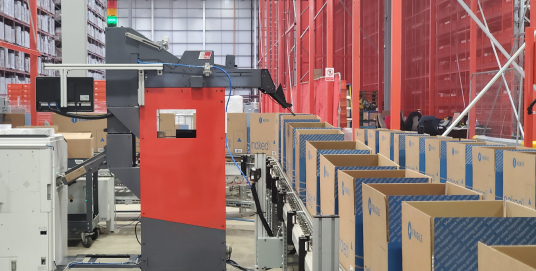
The customer approached PSI with a specific goal: to convert the individual pack station into a connected pack line and automate the most time-consuming, error-prone transactions.
PSI recommended a hybrid approach. Product packing and void fill remained manual, allowing operators to maintain the required presentation inside the box. The downstream packaging steps were automated.
The customer approached PSI with a specific goal: to convert the individual pack station into a connected pack line and automate the most time-consuming, error-prone transactions.
PSI recommended a hybrid approach. Product packing and void fill remained manual, allowing operators to maintain the required presentation inside the box. The downstream packaging steps were automated.
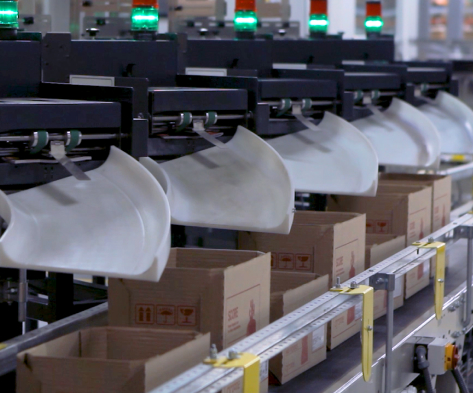
Once the open box was placed on the conveyor, PSI’s equipment handled the remaining transactions:
- AutoDoc printed and inserted the packing slip on demand.
- LC Feeders inserted the appropriate marketing materials based on the order.
- The box was automatically closed and sealed.
- The package was dimensioned and weighed.
- A shipping label was printed and applied.
This approach removed the most time-consuming and repetitive transactions from the pack station without changing the part of the process that mattered most to the customer experience.

The Results: More Than a Minute Saved on Every Order
This simple semi-automatic pack line reduced the processing time for each order by more than one minute, increasing their order-fulfillment capacity from 3,500 orders per day to more than 6,000. In addition to this throughput increase, the customer also reduced their non-peak pack station labor from 15 staff to 6, improving department profitability while creating more capacity within the existing footprint.
The result was:
- More than 6,000 orders per day of fulfillment capacity
- 1+ minute reduction in processing time per order
- 60% reduction in non-peak pack station labour
- Greater capacity to handle promotional and peak-season demand
- Fewer manual packaging and shipping label transactions
- A consistent customer unboxing experience

Automation That Preserved What Mattered
The solution didn’t require the company to choose between fulfillment speed and product presentation. By keeping the brand-critical packing step manual and automating the repetitive work that followed, PSI helped the company increase capacity while preserving the attention to detail that shaped its customer experience.
More Real Results From the Pack Area

Healthcare : Automating & Verifying Critical Packing Documents for a Medical Device Company
3PL : Outsized ROI Achieved from Fulfillment Line Automation
A 3PL company fulfilling orders for a large industrial manufacturing company was looking to introduce automation into their facility. The...
E-Commerce : Achieving the Perfect Order for a Beverage Company
An online beverage subscription company was fulfilling orders manually and due to a labor shortage, management wanted to automate their...